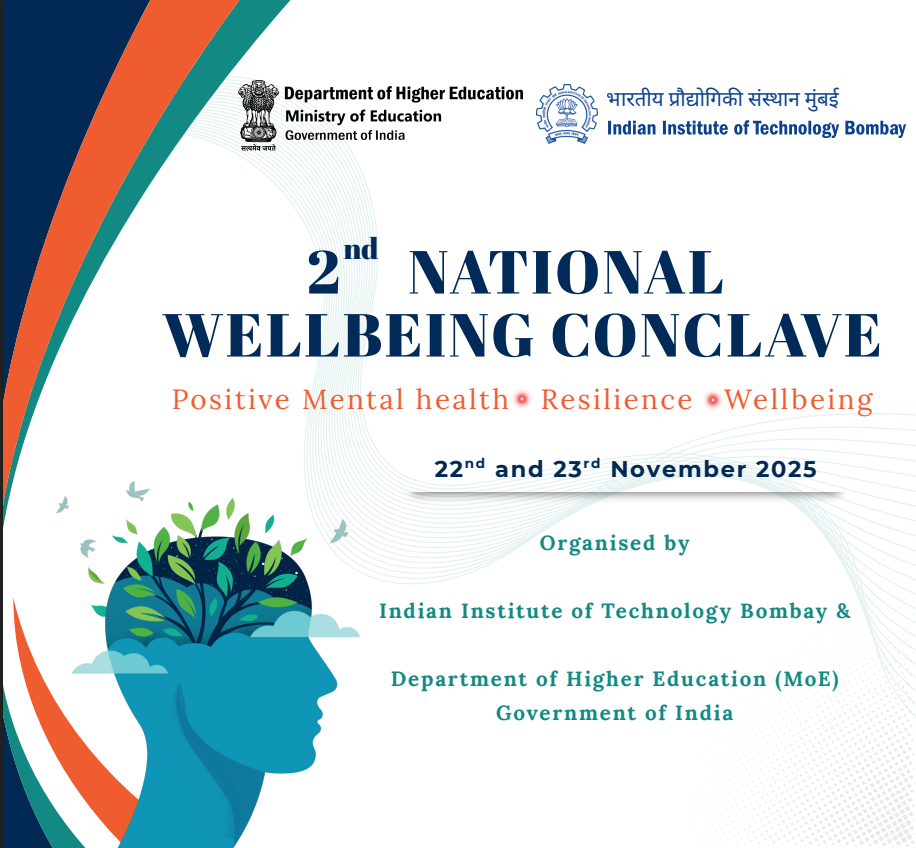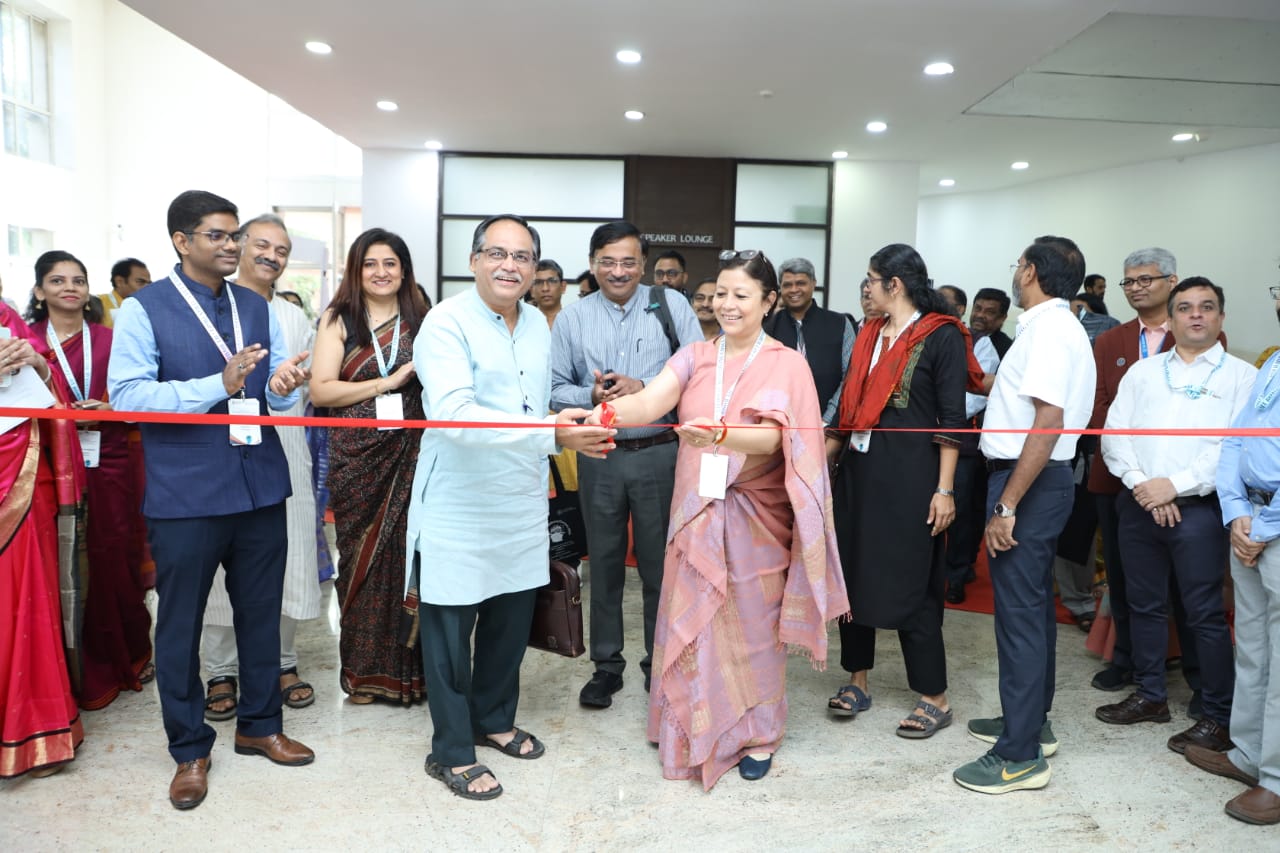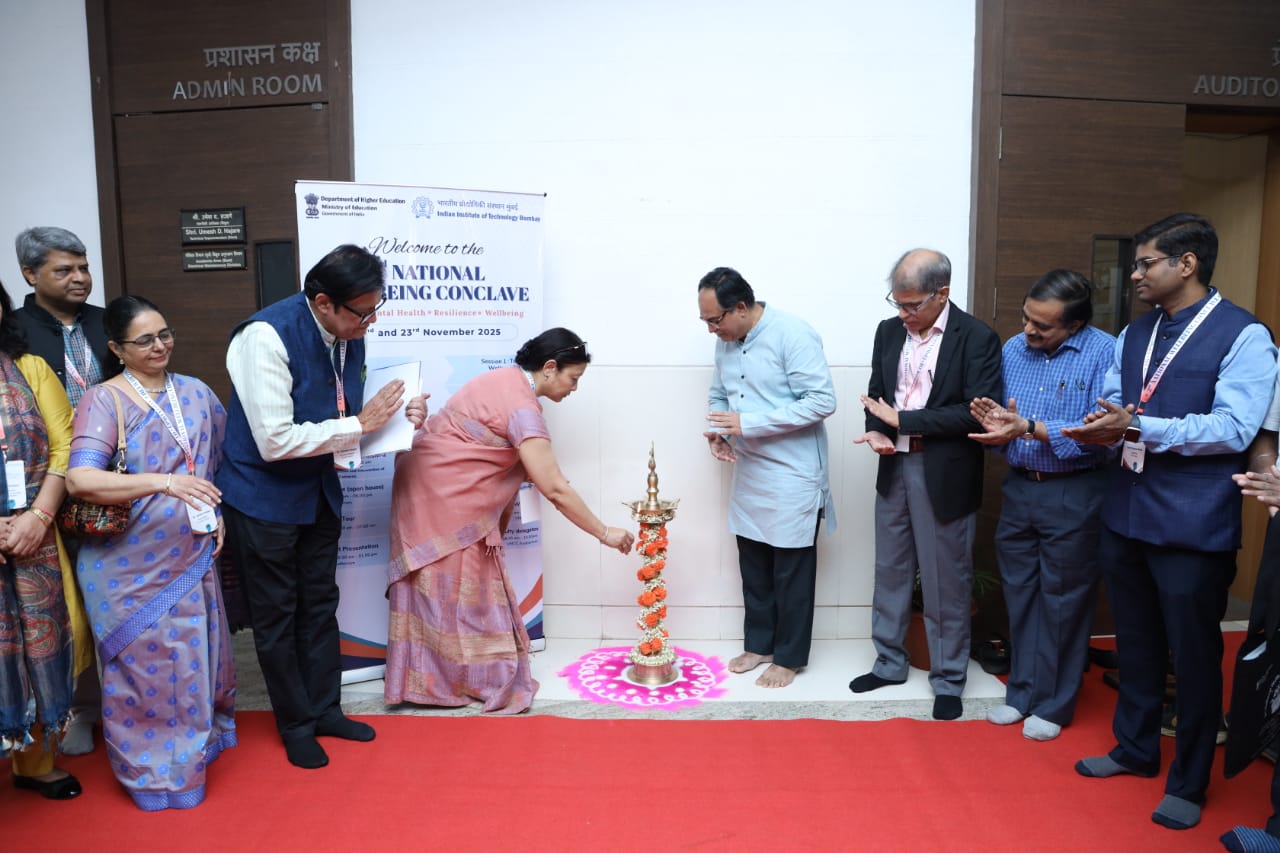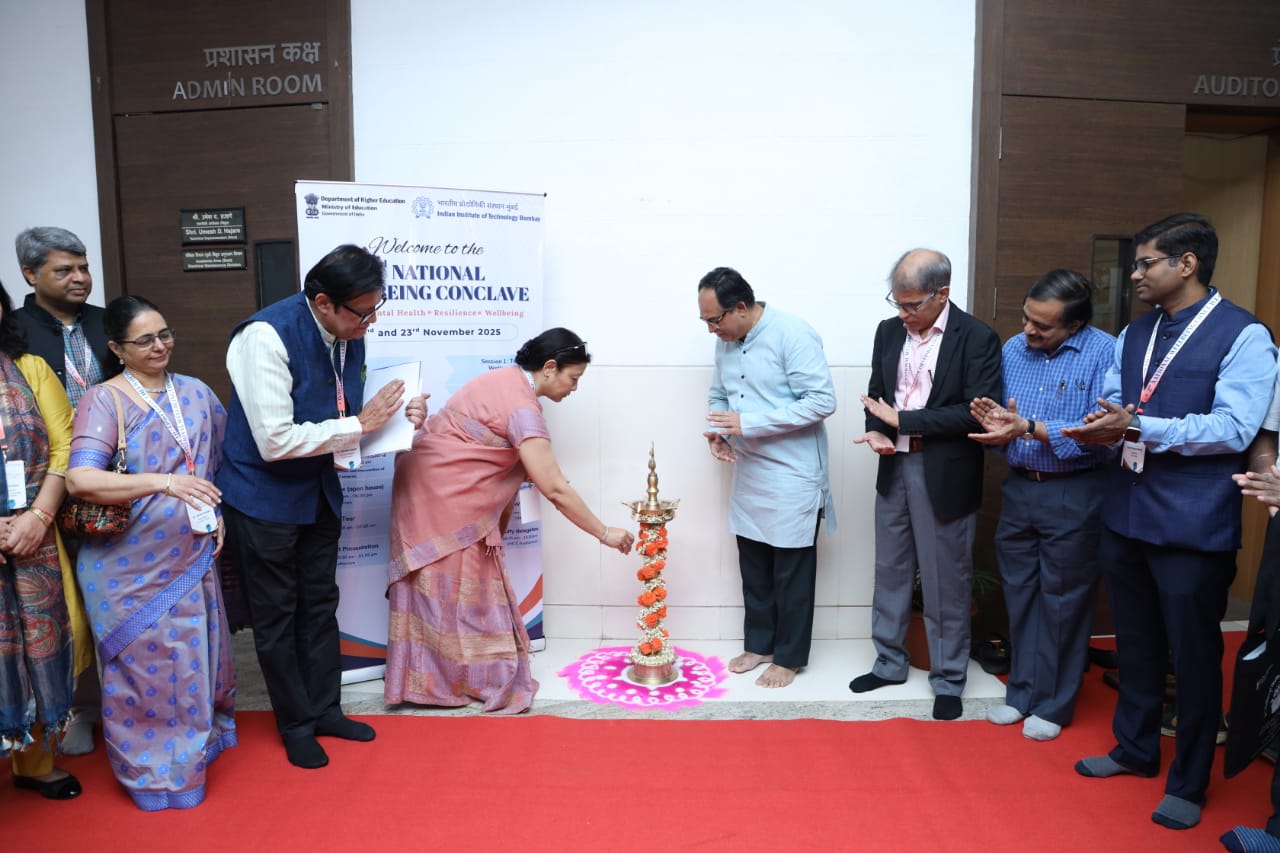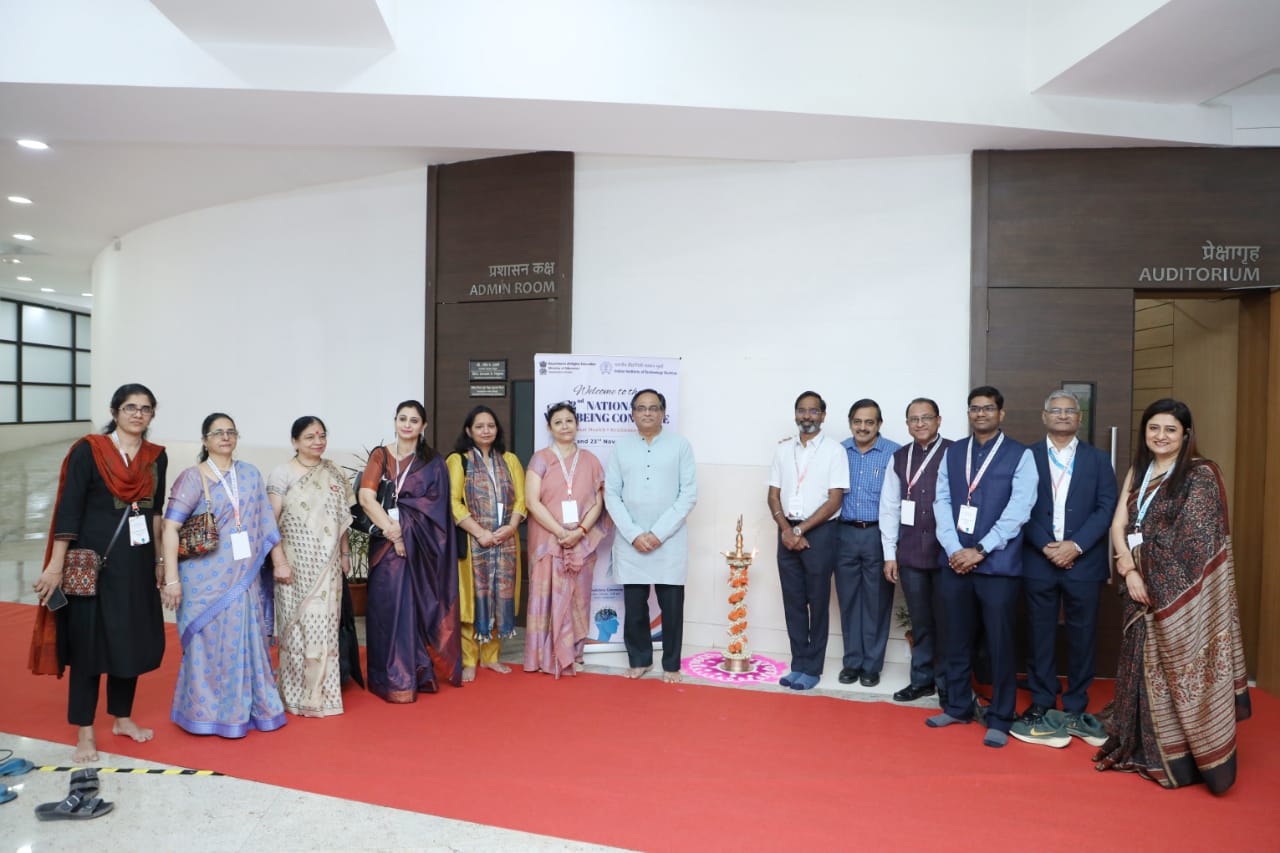



The National Wellbeing Conclave 2025 brought together faculty and students from 80 higher education institutions (HEIs), policymakers, and independent organisations to collectively deliberate upon the wellbeing agenda across Indian higher education institutes. The Conclave included expert led symposiums and panel discussions, workshops, and a wellbeing exhibition showcasing the wellbeing initiatives of participating HEIs. The Conclave also served as a platform for the release of a Compendium of Emerging Practices – a compilation of wellbeing policies and practices in various centrally funded intuitions of higher education.
The discussions highlighted that that student mental health is no longer an auxiliary concern but a national mandate which is being pushed not only through the legislature and executive branches of the government but also through the judiciary. It is integral to shaping resilient young citizens and preparing them for life beyond academics. Faculty were identified as central actors in this effort, not only as educators but as mentors who engage deeply with students’ personal challenges, habits, coping skills, and emotional health for a significant period of their life.
Speakers stressed that HEIs must go beyond crisis response and develop robust ecosystems with sufficient counsellor capacity, gender diversity, early identification tools, and 24×7 support, especially for residential campuses where students lack family emotional buffers.
The Conclave reinforced the importance of embedding Indian Knowledge Systems (IKS), particularly drawing from frameworks such as Panchakosha and the guru–shishya tradition, alongside evidence- based global practices to create culturally resonant models of wellbeing. A holistic, multidimensional approach was advocated, emphasizing sleep health, nutrition, life skills, mindfulness, yoga, and research-informed interventions that use institutional data for early detection and planning.
Further, the student presentations highlighted diverse themes related to mental health, including rising pressures on students, resilience in higher education, tech-enabled wellness solutions, campus wellbeing models, and performance indicators for counselling programmes. Delivered in various creative formats such as talk shows, debates, documentaries, nukkad natak, slogan writing, Yuva Sansad and song parodies, the presentations emphasized essential life skills like problem solving, empathy, self-awareness, communication, critical thinking, collaboration and emotional coping. They reflected values of responsibility, tolerance, honesty, compassion and respect for others, while focusing on increasing awareness about mental health, recognizing emotions, promoting self-care, peer support and understanding challenges as a natural part of life.